

IBM
A 72-hour hackathon MVP, a client chatbot, and the workshops that got both to a decision.
The problem
I was a senior designer intern on IBM Global Sales, Client Engineering. In four months I shipped two products.
Both had the same hard part. A client, data scientists, engineers, and sales in one room, none of them sharing a vocabulary, against a date that did not move.
So the first job was never the interface. It was getting that room to agree on what we were building.
What I did
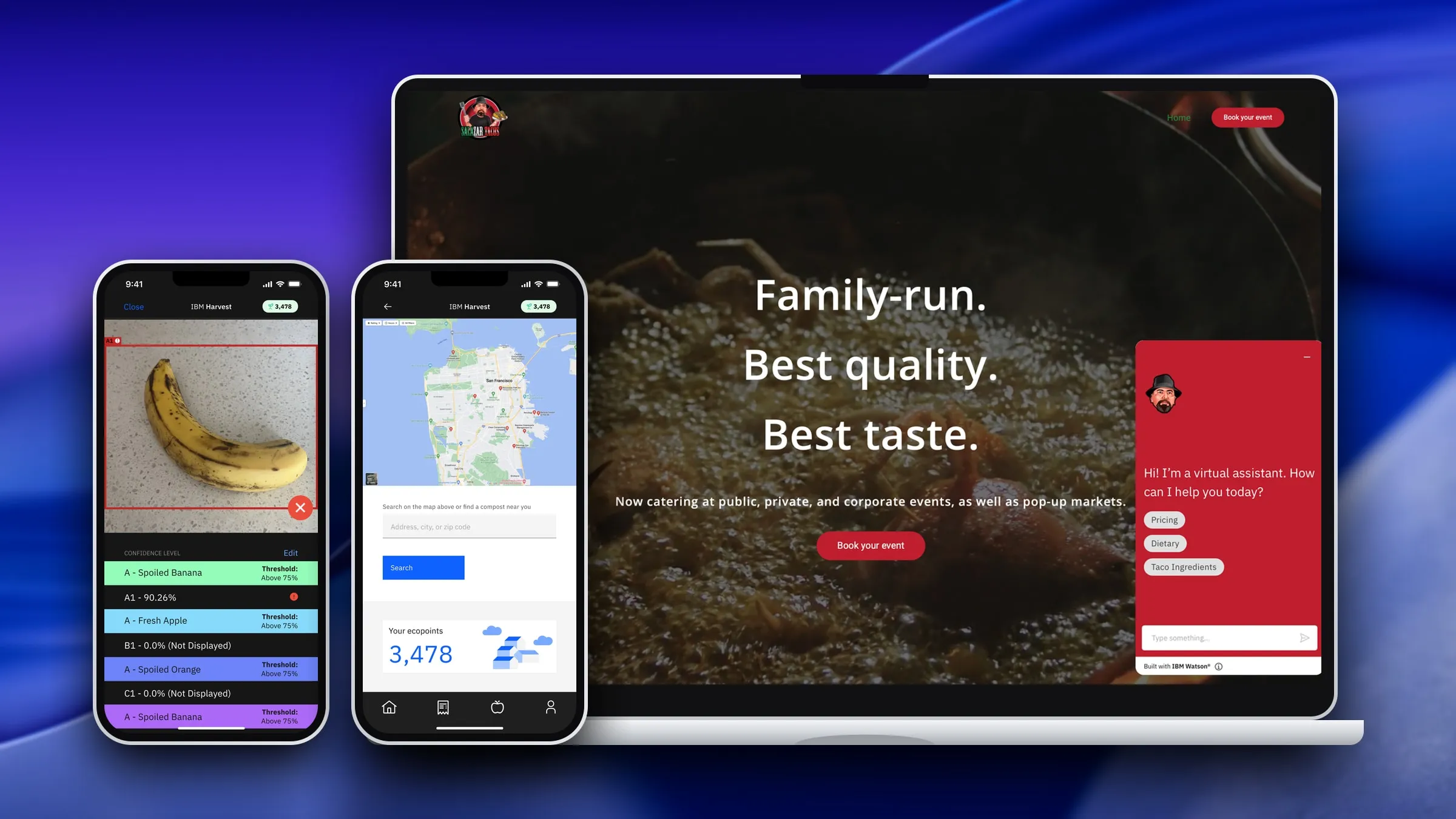
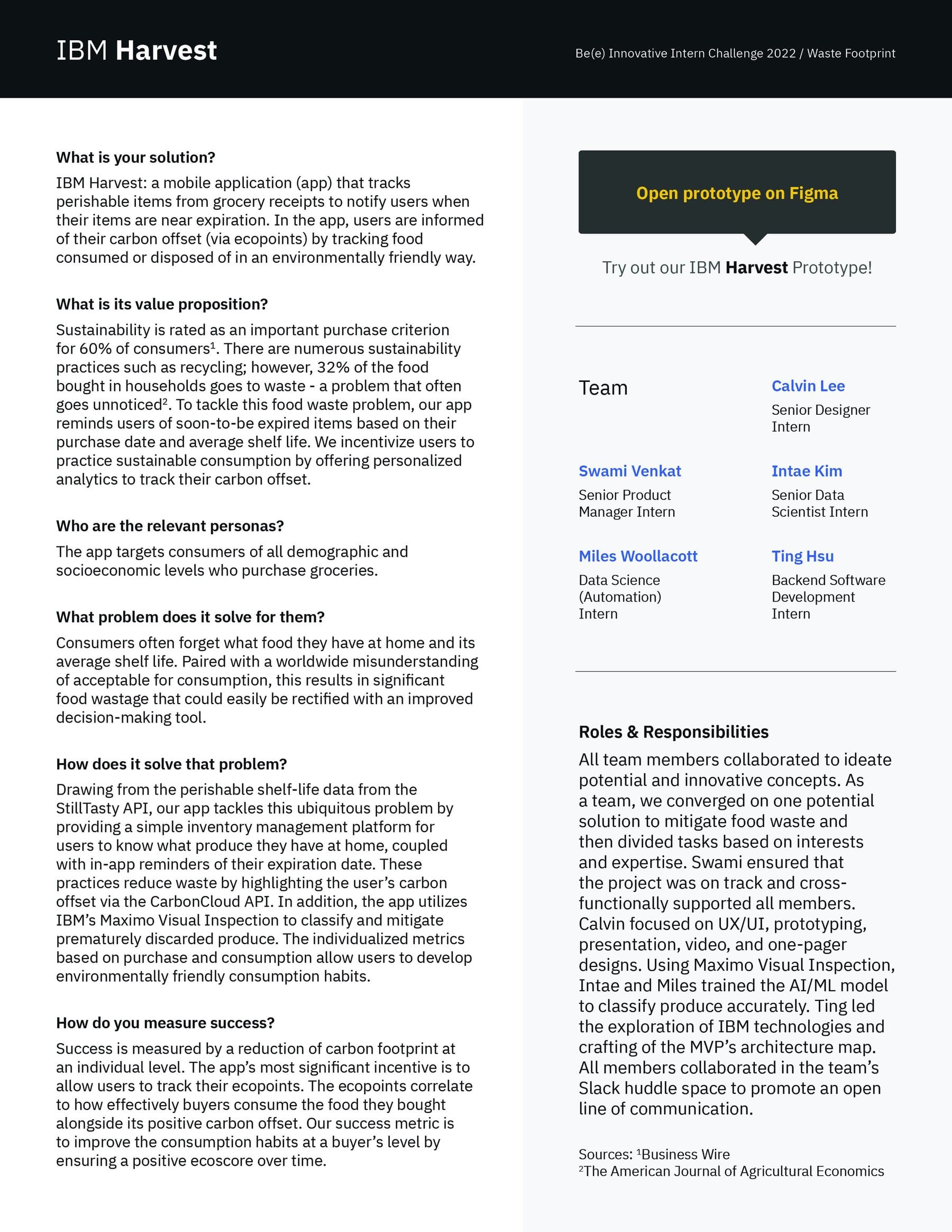
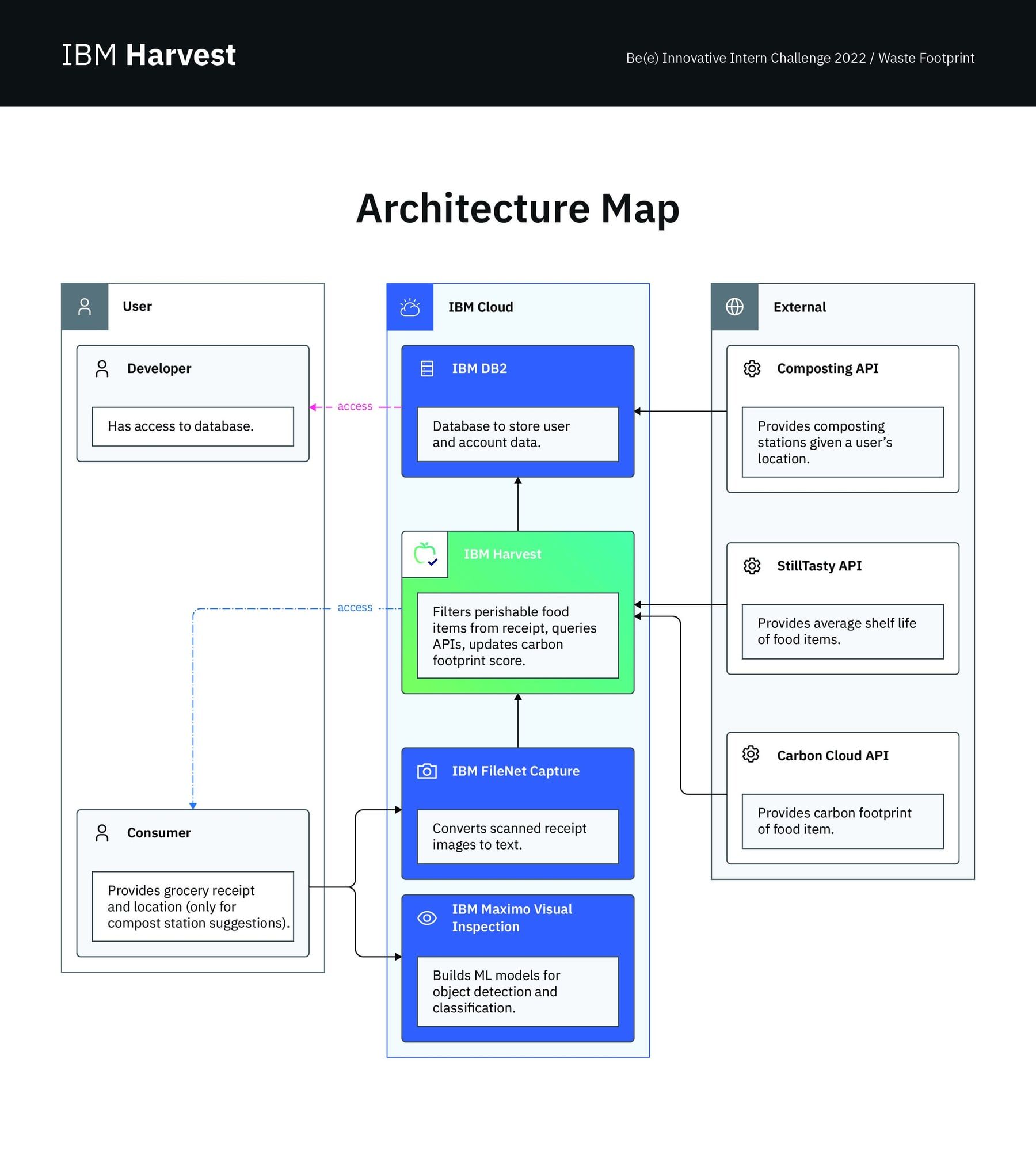
IBM Harvest was the internship hackathon: 72 hours to an MVP on global food waste. I ran the user research and designed the app, the visual language, and the brand.
In three days, most of that job is deciding what not to design.
The capstone was a chatbot for a taco catering client, built with data science and engineering interns. It needed to answer customer questions and turn inquiries into orders.
I led the design workshops, prototyped, and built the front end.
Both got to a decision the same way. Discovery to see what we were looking at, framing to narrow it, solutioning to commit.
A three step process, discovery then framing then solutioning, run the same way on both products.
- Step 1 · DiscoveryCluster what we sawOne shared description
- Step 2 · FramingOne problem statementConstraints named
- Step 3 · SolutioningEffort against impactCommit on the record
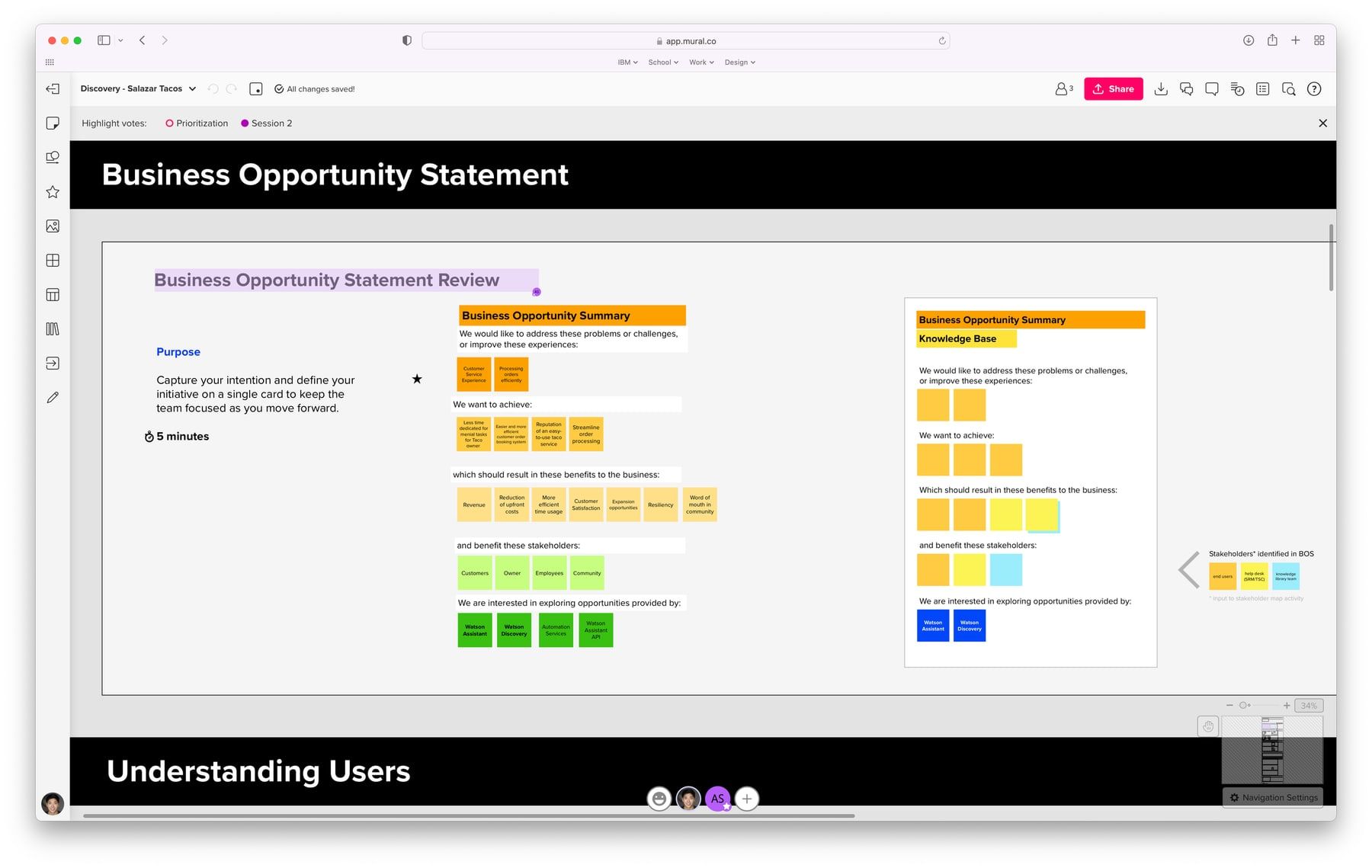
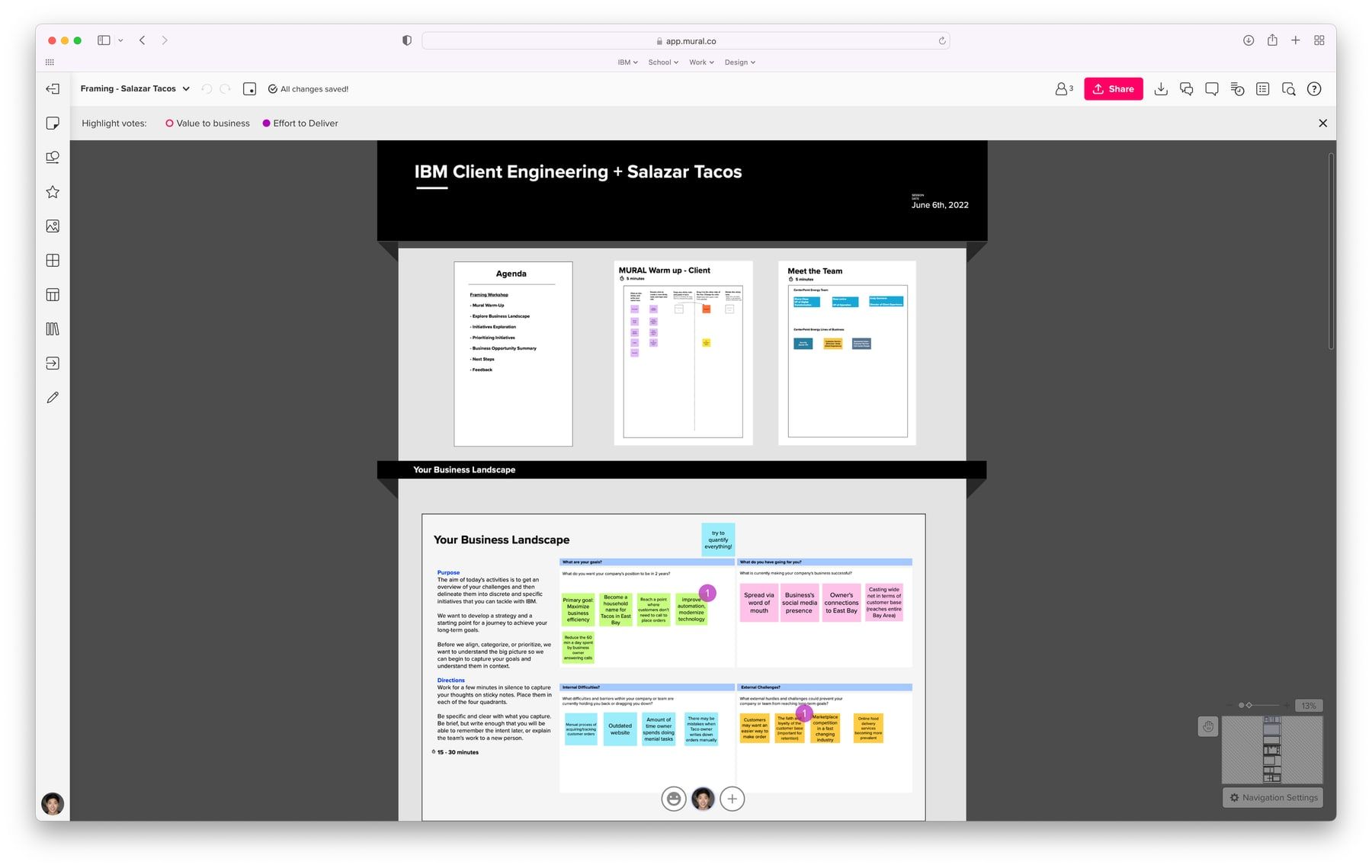
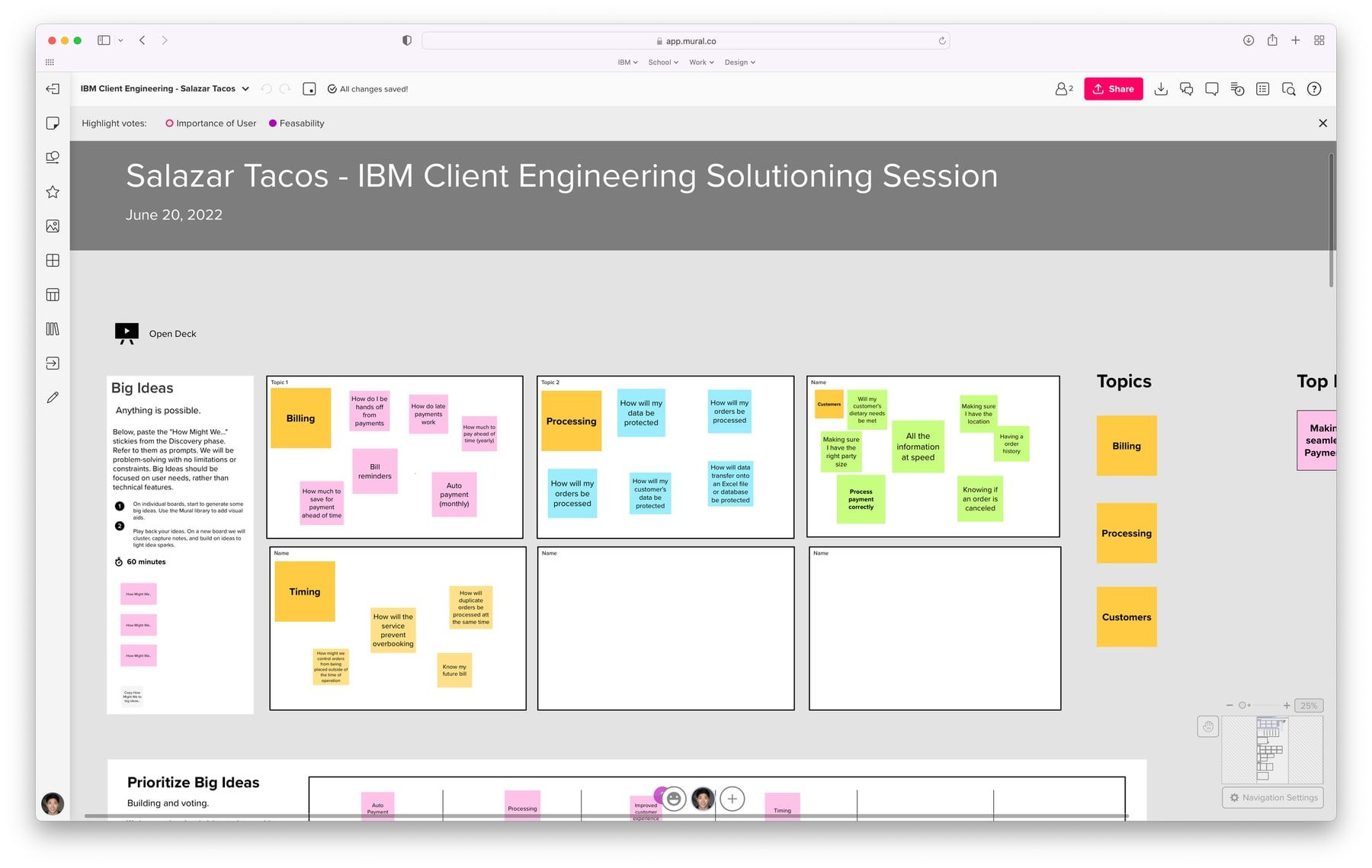
Workshops, not documents. A workshop ends in a decision. A document ends in comments.
Outcome
Two MVPs in four months, both with mixed teams, both against a fixed date.
The process is the transferable part. It’s why a 72-hour build came out coherent instead of just finished.
More work
All work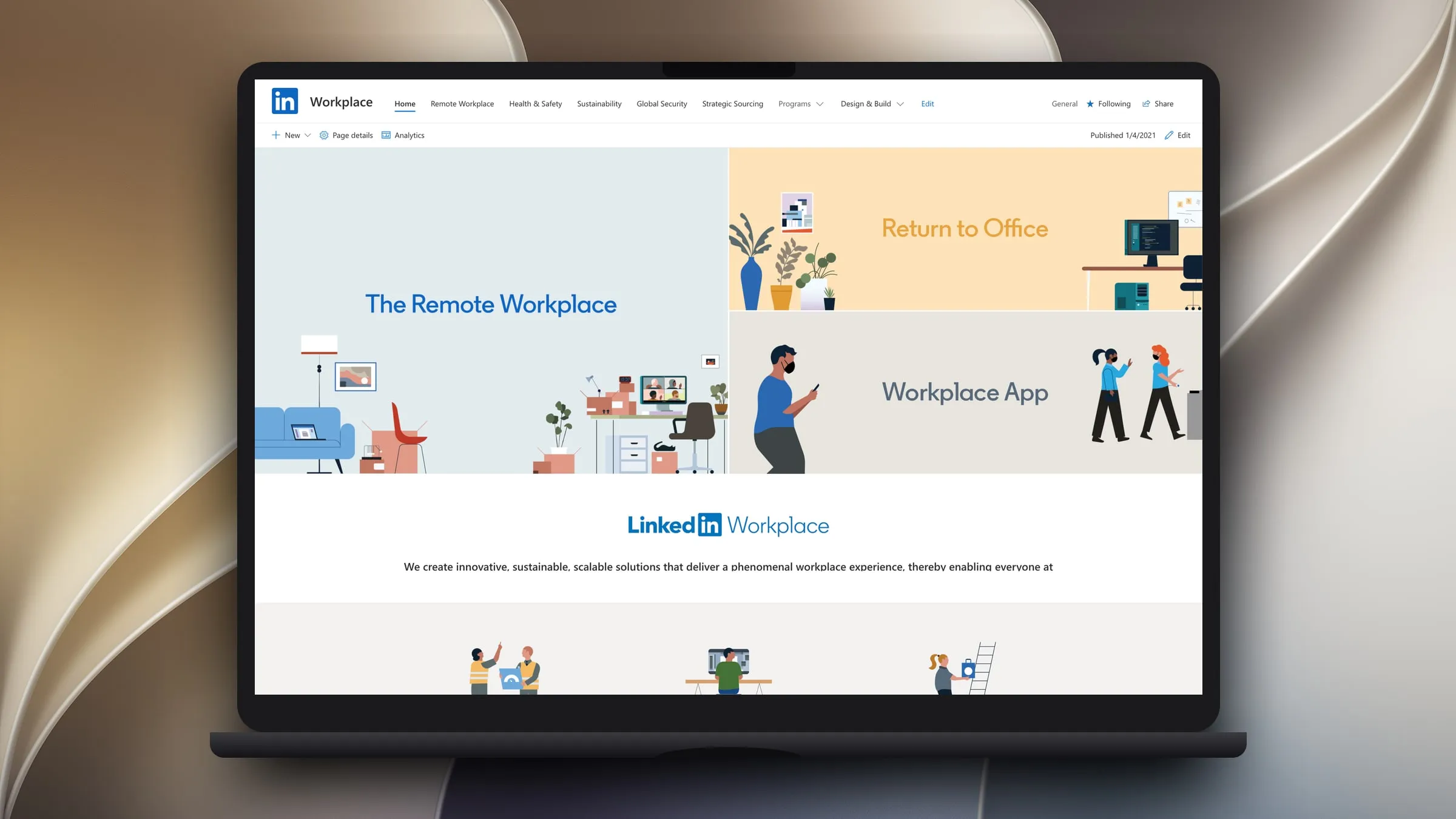 ProductDesign systems
LinkedIn
Internal tools for the Workplace team: a homepage rebuild, a template, and an accessible newsletter.
 BrandApple
Marcom: NPI
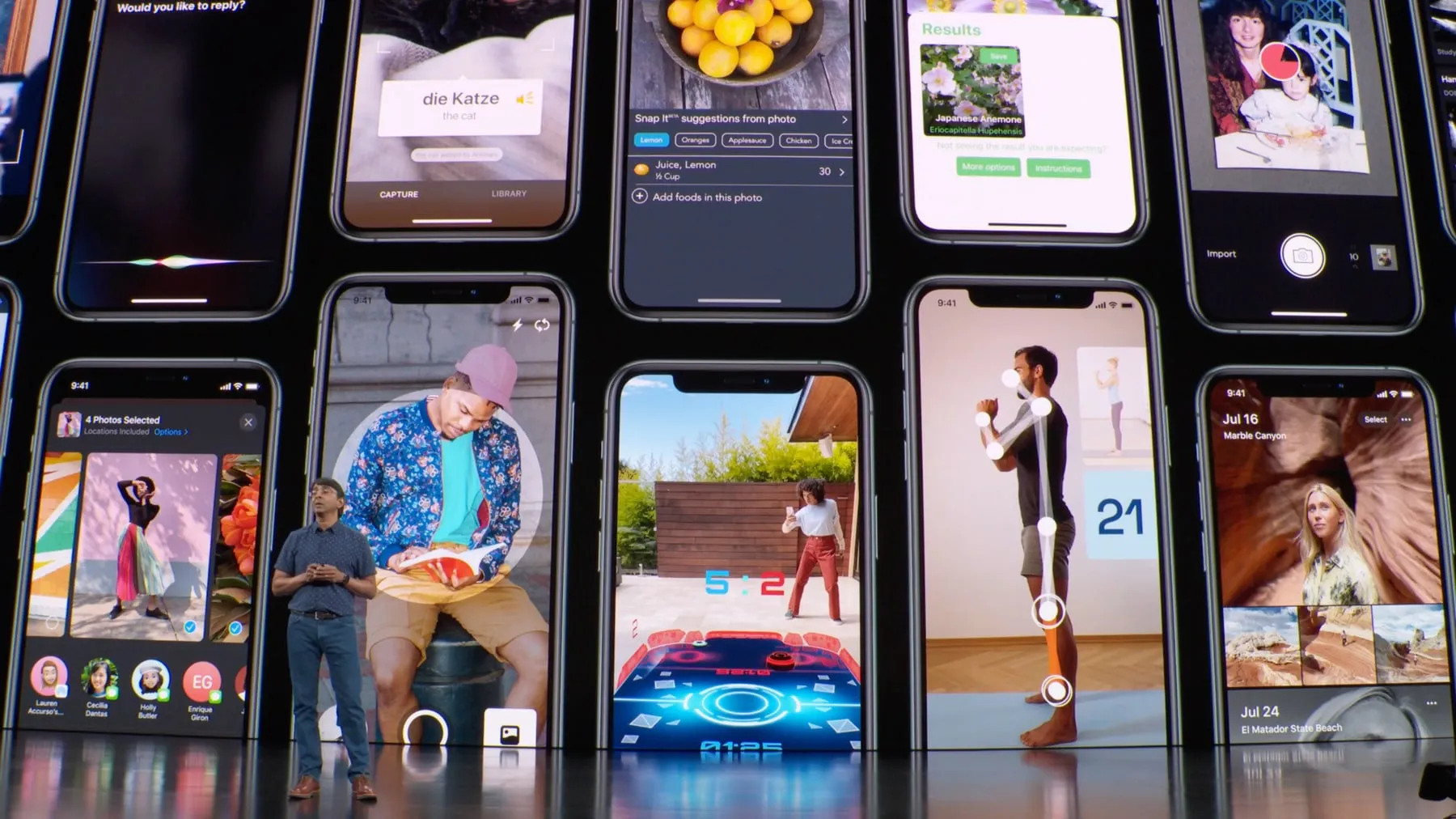
Product imagery for launch surfaces, and the scripts that kept a batch consistent.
 LockedProductApple
Operations: Global Sourcing
An AI meeting assistant that gives sourcing teams their time back.