

Mentorship
I taught design research, prototyping and critique at UC Berkeley for three semesters, and go back each year.
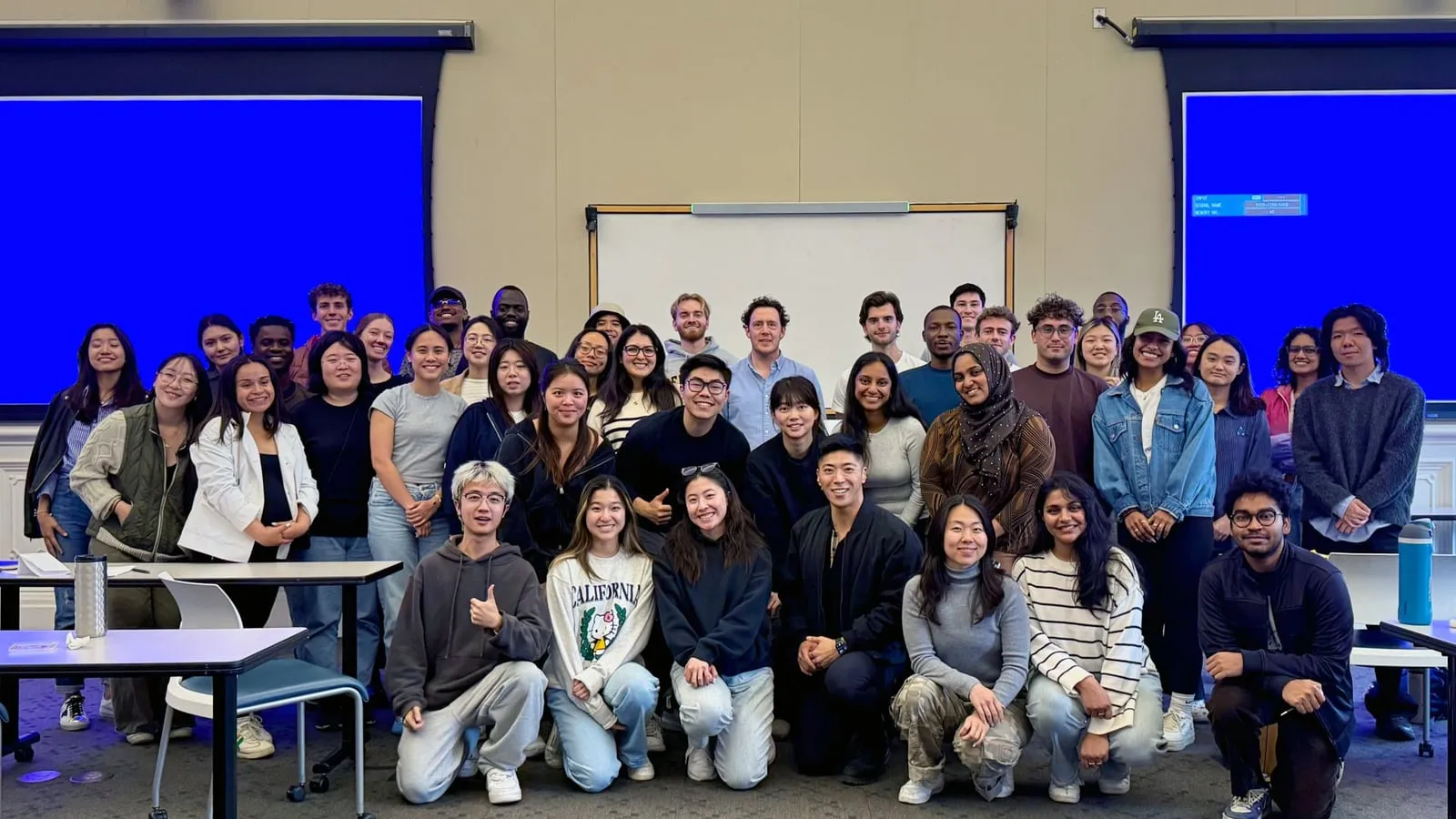
The questions I get most are answered below. If one of them is yours, you have your answer. If not, book time.
Most Asked Questions
How do I get into design without a design degree?
I don't have one. My bachelor's is in public health, and I came in through a community college web design program while working. What moved it forward was never a portfolio, it was applying whatever I was learning to help the team I was already on. That built genuine relationships, and those are what opened every door since.
I'm a student. What matters more, tools or fundamentals?
Fundamentals. Tool fluency gets you through a screening exercise and stops mattering a week into the job. Defending your thought process in a room of engineers and executives never stops mattering.
What should go in a portfolio case study?
Your unique decisions, not just the deliverables. Anyone can post a final screen. What a hiring manager can't get elsewhere is why you chose that structure over the alternatives. If it still makes sense with the images removed, it's doing its job.
How do you move from designer to product management?
It wasn't a leap, it was an accumulation. I kept building the thing behind the thing: design systems, templates, automations. That's already product thinking. Start volunteering for the scoping conversations you're handed the output of.
Can you review my portfolio?
Yes, and the booking link below is the right way to ask. Come with a specific question rather than "any feedback". Specific questions get you tailored feedback, and far more of it in twenty minutes.
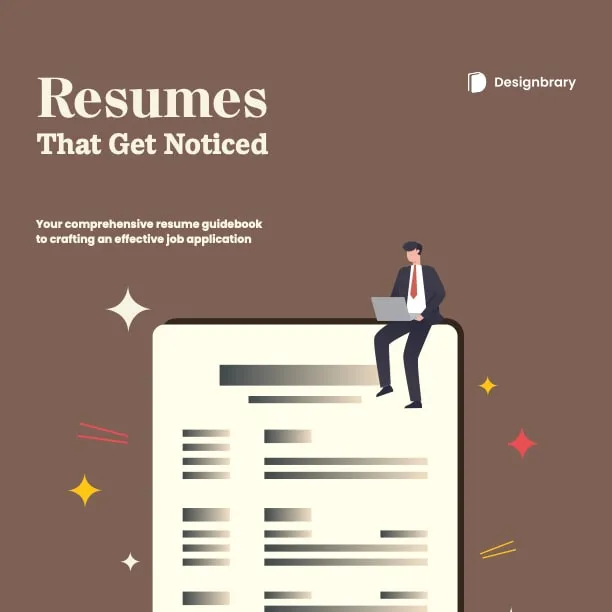
My resume guidebook
$9.99 $0.99 · 34 pages · Instant download · PDF and ZIP
What I learned applying for roles myself: how to get a resume past the automated screeners and in front of a person.
Get it on EtsyStill have a question?
Book a slot. Bring something specific: a portfolio you want torn apart, a decision you're stuck on, a career fork. Twenty focused minutes beats an hour of general advice.
Book time